





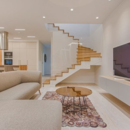
Don’t compromise on home designs for improvement
Contents |
[edit] Introduction
When it comes to improving your home, it's important not to compromise on the design aspect. Your home should not only be functional and efficient but also reflect your personal style and create a space where you feel comfortable and at ease. In this article, we will discuss why compromising your home design during the improvement process can have negative consequences and provide tips on how to prioritise both improvement and design to create a harmonious and visually appealing living space.
[edit] The importance of home design
Home design plays a crucial role in creating a space that is visually appealing, functional, and reflects your personal taste and style. It involves decisions about layout, colours. Don’t Compromise Your Home Design materials, furniture, and accessories that come together to create a cohesive and inviting environment. A well-designed home enhances your daily life and provides a sense of comfort and pride.
[edit] The benefits of home improvement
Home improvement projects aim to enhance the functionality, efficiency, and value of your property. They can range from small upgrades such as painting or replacing fixtures to larger renovations like kitchen or bathroom remodelling. Improvement projects are essential for maintaining and updating your home, making it more comfortable and suitable for your needs.
[edit] The pitfalls of compromising design
Compromising your home design during the improvement process can have several negative consequences. By neglecting the design aspect, you may end up with a space that lacks visual appeal, cohesiveness, and personalisation. A poorly designed home can feel impersonal, uninspiring, and fail to create a sense of harmony and comfort. It may also affect the overall value and marketability of your property.
[edit] Tips for balancing improvement and design
- Plan Ahead: Before starting any improvement project, take the time to plan and consider your design preferences. Research different styles, gather inspiration, and create a vision board to guide your choices.
- Identify Design Priorities: Determine the key design elements that are important to you and align with your personal style. Whether it's a specific colour scheme, architectural details, or a particular aesthetic, prioritise these elements during the improvement process.
- Collaborate with Professionals: Engage the expertise of interior designers, architects, or contractors who can help you strike the right balance between improvement and design. They can provide valuable insights and recommendations based on their experience and knowledge.
- Choose Quality Materials: Invest in high-quality materials that not only improve the functionality and durability of your home but also enhance its visual appeal. From flooring and countertops to fixtures and finishes, select materials that align with your design vision.
- Consider Long-Term Value: When making improvement decisions, think about the long-term value and impact on your home. Opt for upgrades that not only improve functionality but also add aesthetic value, making your home more desirable and appealing to potential buyers in the future.
- Incorporate Personal Touches: Infuse your personality and unique style into the design by adding personal touches and accessories. Display artwork, family photographs, or cherished mementos that make your home feel personalised and reflect your story.
- Pay Attention to Details: Small design details can make a significant impact on the overall look and feel of your home. Consider elements such as lighting, window treatments, hardware, and decorative accents to add depth and character to your space.
- Take a Balanced Approach: Strive for a balanced approach where improvement and design complement each other. Aim for functionality and efficiency while also creating a visually appealing and harmonious environment.
- Seek Inspiration: Browse home design magazines, websites, and social media platforms for inspiration. Pay attention to current design trends and incorporate elements that resonate with your style and preferences.
- Trust Your Instincts: Ultimately, trust your instincts and make choices that align with your personal taste and vision. Your home should be a reflection of your individuality and a place where you feel comfortable and happy.
[edit] Conclusion
When undertaking home improvement projects, it's crucial not to compromise on the design aspect. Your home should be a space that is not only functional and efficient but also visually appealing and reflective of your personal style. By following the tips mentioned above and striking a balance between improvement and design, you can create a home that is both aesthetically pleasing and highly functional. Remember, your home is your sanctuary, and it deserves to be improved and designed with care and attention to detail.
Unlock the potential of your living space with our comprehensive home improvement solutions. From renovation ideas to expert tips, we're your go-to source for transforming houses into dream homes.
[edit] Related articles on Designing Buildings
- Alterations to existing buildings.
- BRE and Willmott Dixon project to retrofit of a 1920s semi-detached house.
- Building preservation notice.
- Conservation areas.
- Decorating a newly built home.
- Do the building regulations apply to works to existing buildings?
- Demolition.
- Five tips for planning a home renovation.
- Listed buildings.
- Material amendment.
- Material change of use.
- Minor material amendment.
- National Refurbishment Centre.
- Non material amendment.
- Planning permission.
- Permitted development.
- Refurbishment.
- Renovation v refurbishment v retrofit.
- Renovation.
- Retrofit.
- Retrofit coordinator.
- Tips for house renovations on a budget.
- Typologies.
Featured articles
Check out some of the best features and news from Designing Buildings as well as key stories from around the web.
ECA Edmundson apprentice of the year award
Finalists announced.
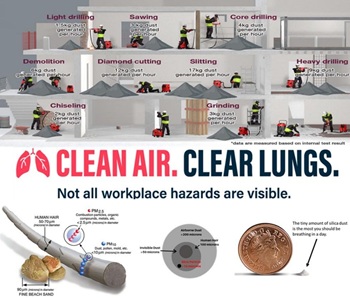
Major new study exposes serious knowledge gaps.
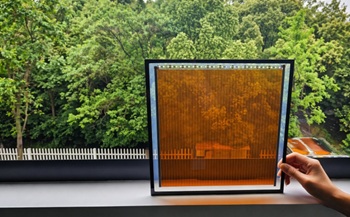
Generating energy from internal light as well as sunshine.

ECA welcomes plans to strengthen subcontractor quality control.

Combining mid-career qualifications with experience broadens career opportunities.

Why being a mentor can help your career.

Channel 4 broadcaster to host 125th anniversary ceremony.
Listed structures on the rail network

Heritage interests and operational requirements must be balanced.
Historic England publishes research into embodied carbon when retrofitting traditional buildings.

New Prime Minister delivers on ECA call for cut in electricity costs.

CIOB reacts to the announcement of Andy Burnham as Prime Minister.

Heritage and conservation science workforce survey - Have your say.